Unlock the full potential of your gaming desktop PC computer with our comprehensive guide. Discover essential tips for setup optimization performance tuning budget friendly upgrades and balancing your passion for gaming with everyday life. This article navigates the complexities of modern PC gaming providing practical solutions for common pain points like slow frame rates frustrating installations and finding time for your favorite titles. Learn how to choose the right components troubleshoot issues join vibrant gaming communities and stay ahead of the curve without breaking the bank. Whether you are a seasoned veteran or just starting your PC gaming journey this resource is packed with actionable advice to enhance your experience and ensure your gaming desktop pc computer delivers peak performance and endless fun. Elevate your gameplay and make every session count.
What is the best way to get started with PC gaming if I am new?
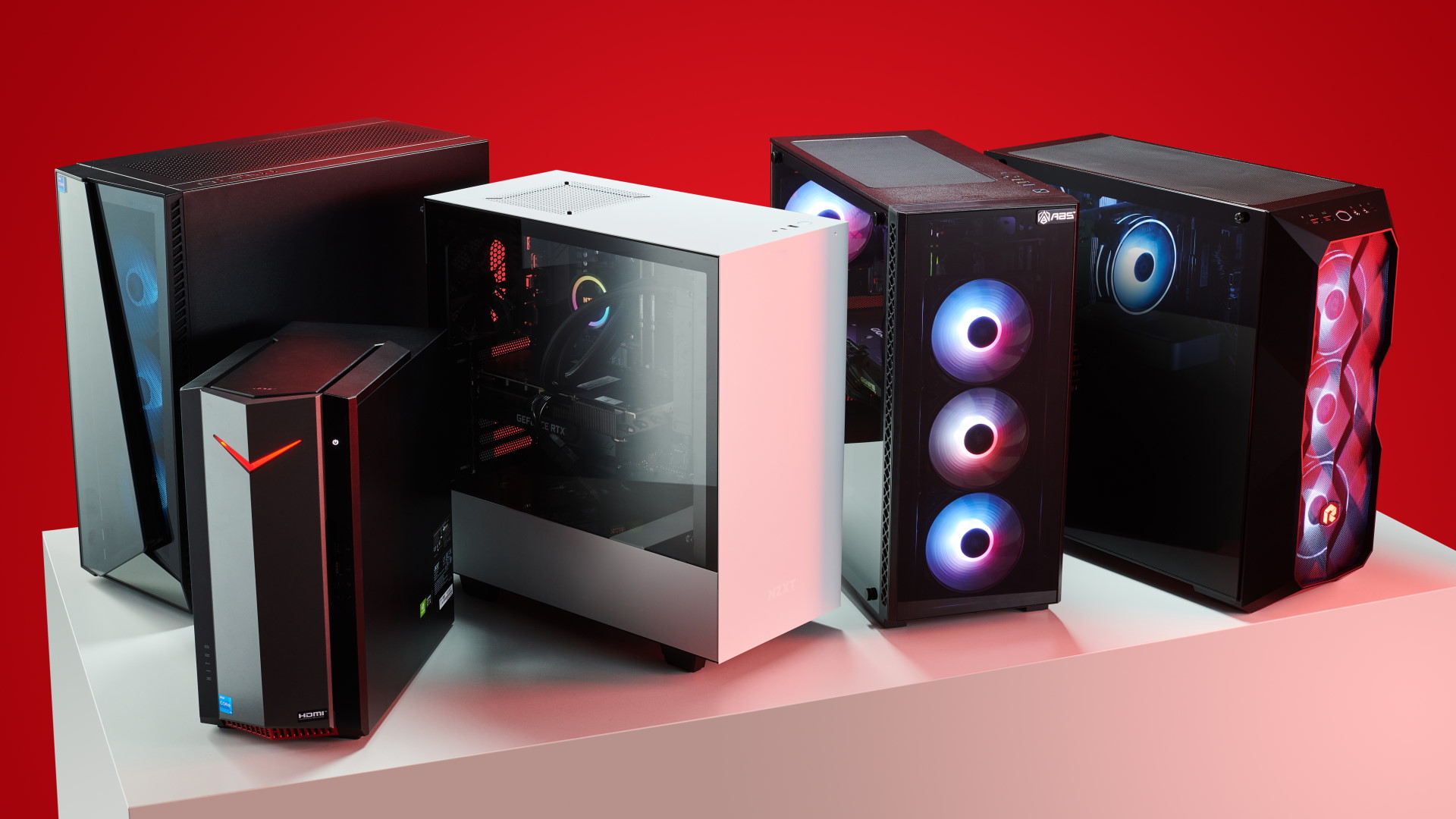
If you are new to PC gaming, the best way to start is by researching pre-built gaming desktop PC computer systems that fit your budget. While building your own offers customization, a pre-built machine from a reputable brand minimizes setup headaches. Look for systems with a dedicated graphics card (GPU), a modern CPU, and at least 16GB of RAM. Focus on popular, less demanding games initially to get a feel for the platform, and connect with online communities for guidance. Many free to play titles are perfect for beginners.
How can I manage heat and cooling in my gaming desktop PC computer for long sessions?
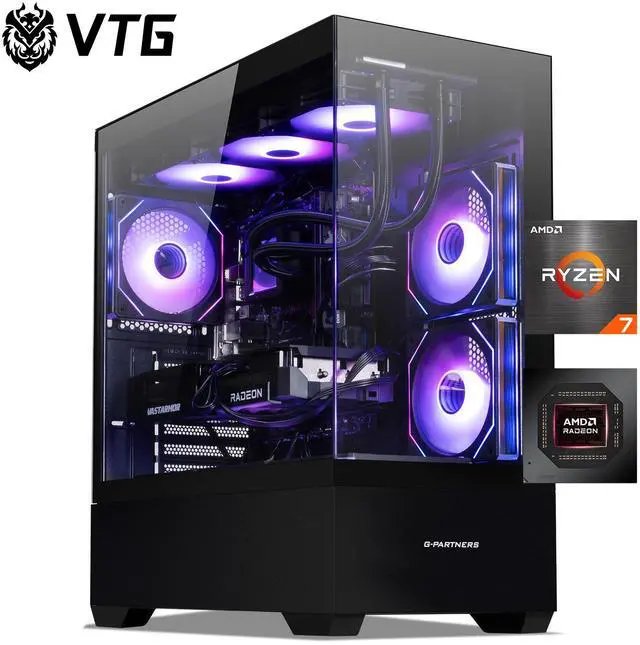
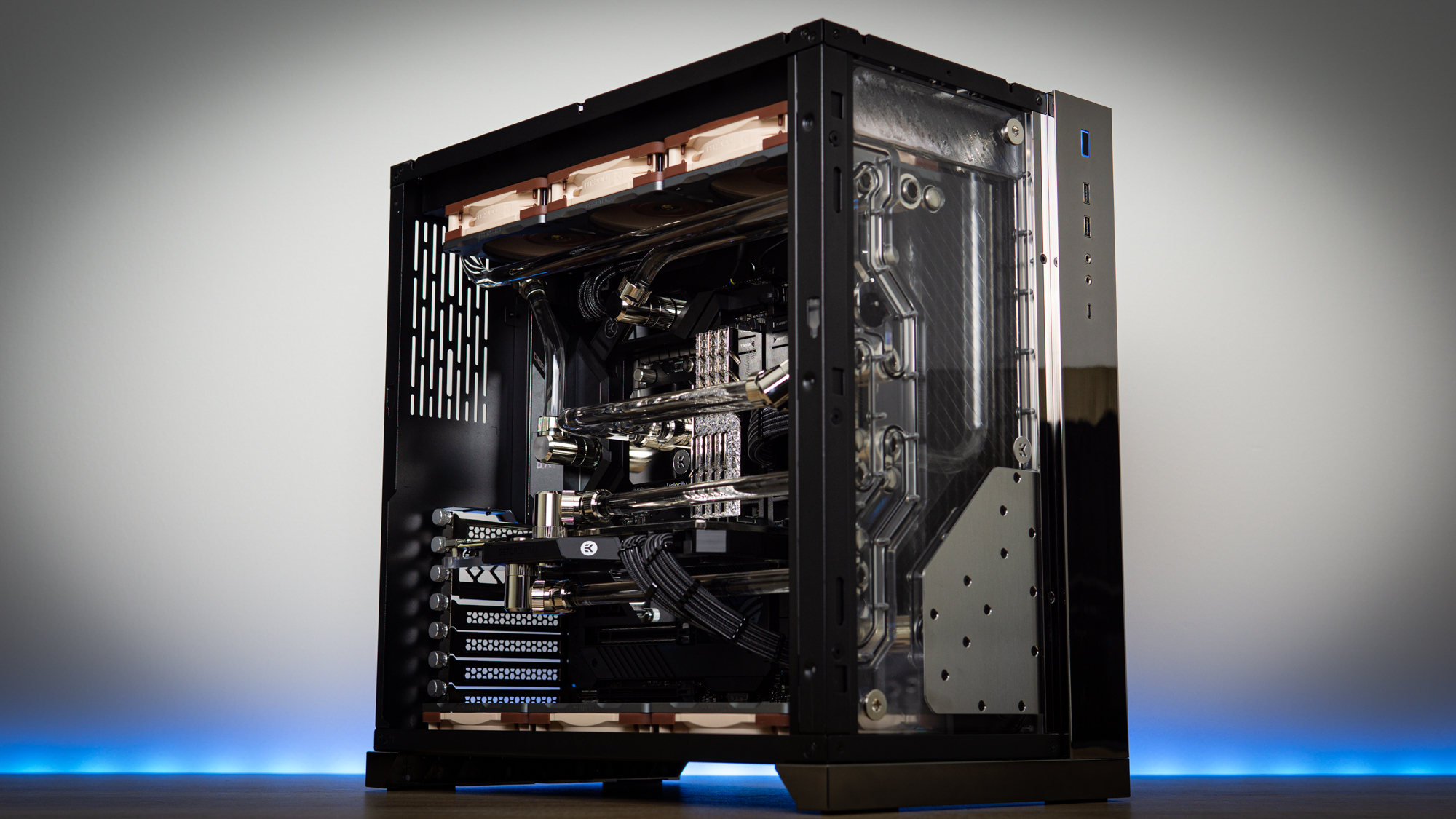
Effective heat management is crucial for sustained performance. Ensure your gaming desktop PC computer case has good airflow with multiple intake and exhaust fans. Regularly clean dust from fans and heatsinks using compressed air. Consider upgrading your CPU cooler if you are experiencing high temperatures, either to a more powerful air cooler or an All In One (AIO) liquid cooler. Monitoring temperatures with software like HWMonitor during gameplay will help you identify if components are overheating, allowing you to adjust fan curves or improve cooling solutions proactively.
Which games are currently popular for social play on gaming desktop PCs?
Social gaming is thriving, and on gaming desktop PC computers, titles like Valorant, Apex Legends, and Fortnite continue to dominate competitive team play. For cooperative experiences, Helldivers 2 has seen immense popularity this month, offering intense PvE action. Games like Minecraft and Stardew Valley remain popular for more relaxed, creative social interactions. Discord is the go-to platform for voice chat, making it easy to coordinate with friends across these diverse gaming experiences. The trend toward social and cooperative gaming continues to grow strong.
How can I keep my gaming desktop PC computer secure from malware and viruses?
Keeping your gaming desktop PC computer secure requires vigilance. Always use reputable antivirus software and keep it updated. Be cautious about downloading games or software from unofficial sources. Use strong, unique passwords for all your gaming accounts and enable two-factor authentication (2FA) wherever possible. Regularly backup your important data. Avoid clicking suspicious links or opening attachments from unknown senders. A clean and secure system ensures your gaming experience remains uninterrupted and your personal information protected.
What accessories are essential for a good gaming desktop PC computer setup?
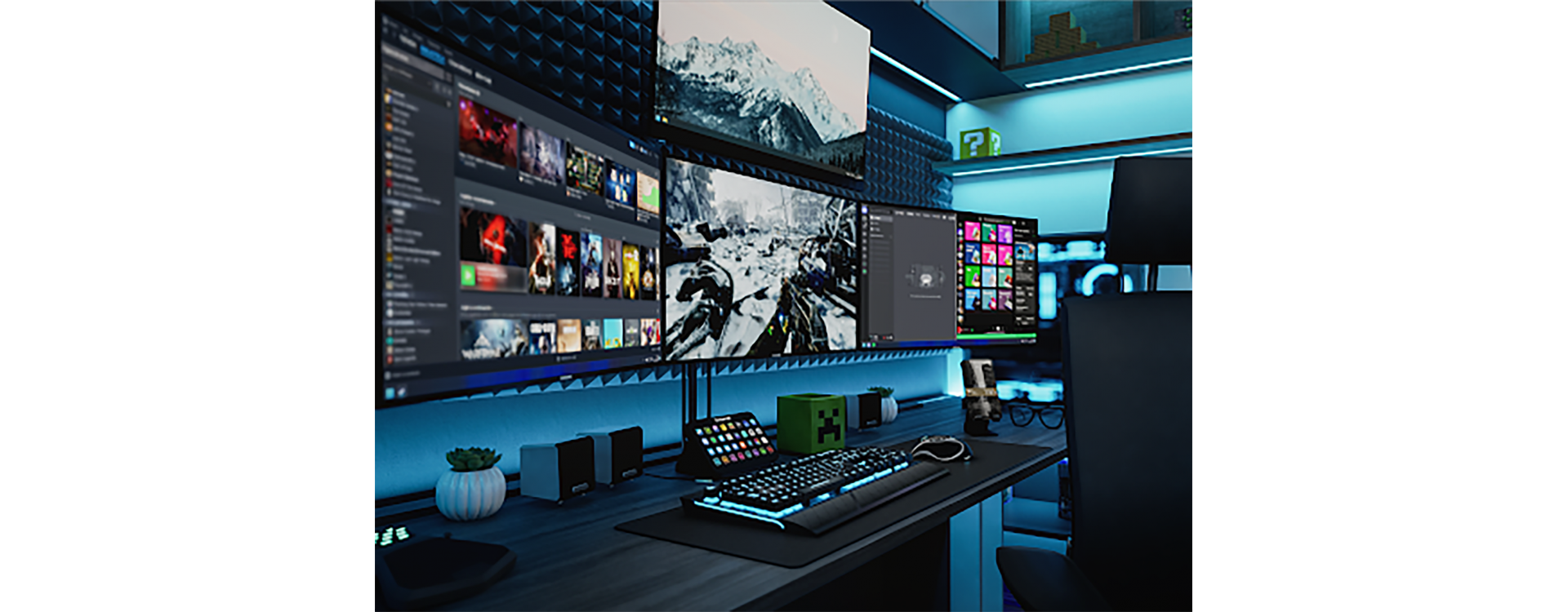
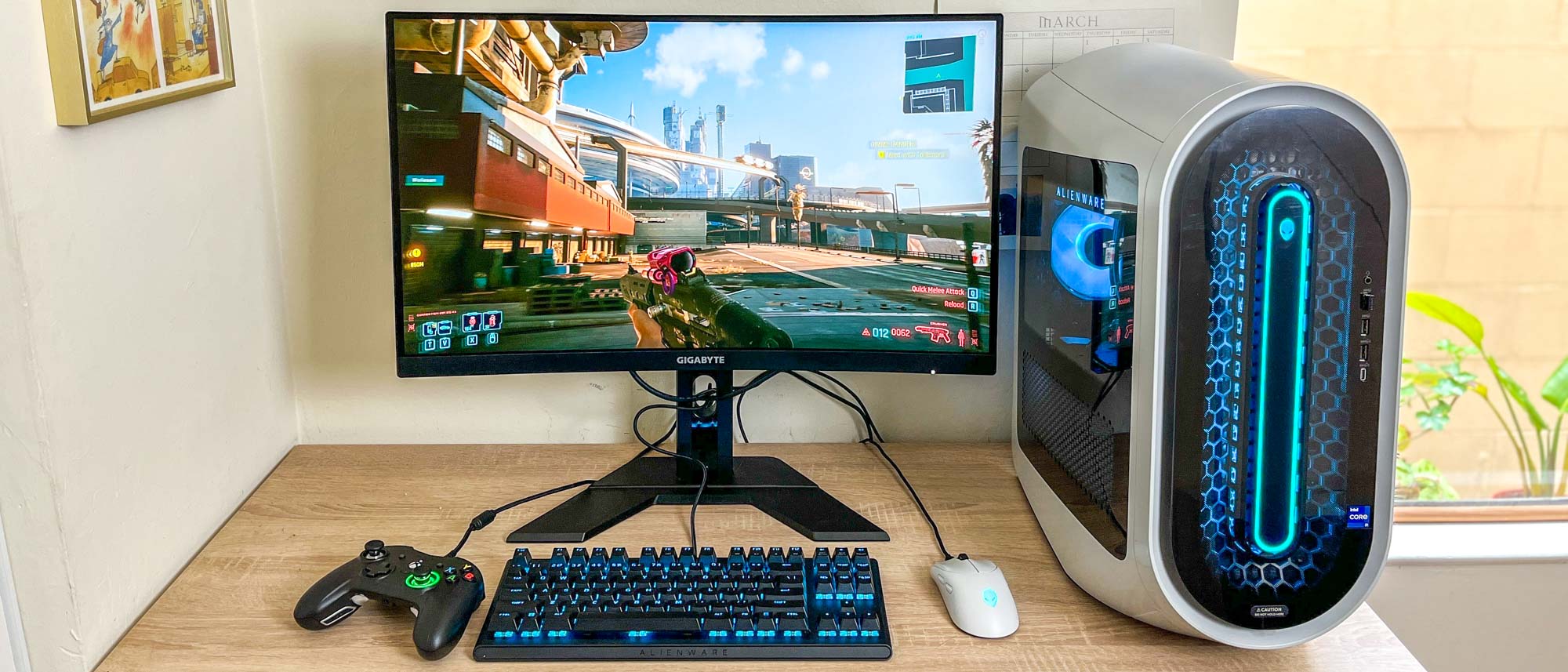
Beyond the gaming desktop PC computer itself, essential accessories include a high refresh rate monitor (144Hz or more for smooth gameplay), a comfortable gaming mouse with adjustable DPI, and a responsive mechanical keyboard. A good quality headset with a clear microphone is vital for social gaming and communication. Investing in a comfortable gaming chair and a spacious desk also significantly enhances your long-term gaming comfort and setup ergonomics, making your sessions more enjoyable and sustainable.
How do I know if my gaming desktop PC computer needs an upgrade?
Your gaming desktop PC computer needs an upgrade if you are consistently experiencing low frame rates in newer games, even on lower graphics settings, or if games are taking an excessively long time to load. Frequent stuttering, crashes, or an inability to run desired software are also clear indicators. Check your component usage during gameplay using Task Manager or monitoring software; if your CPU, GPU, or RAM are consistently hitting 90 to 100 percent usage, they are likely bottlenecks that would benefit from an upgrade.
Are pre-built gaming desktop PC computers a good value compared to custom builds?
Pre-built gaming desktop PC computers offer convenience and often come with warranties for the entire system, making them a good option for beginners or those short on time. However, custom builds typically offer better value for money in terms of raw performance per dollar, allowing you to choose specific components and avoid bloatware. For gamers who enjoy the process of assembly and want maximum control over their hardware, building is often preferred. Both options have their merits depending on your priorities and comfort level.
Are you a dedicated gamer balancing epic quests with everyday responsibilities? You are not alone. With 87% of US gamers regularly diving into virtual worlds and spending an average of 10 or more hours a week, the gaming desktop PC computer remains a crucial hub for intense action, social connections, and pure relaxation. Yet, finding that perfect balance—optimizing your gaming desktop PC computer for peak performance without sacrificing your budget or precious free time—can feel like its own boss battle. From frustrating frame rate drops to the endless cycle of hardware upgrades, many of us wrestle with keeping our rigs cutting-edge and our gaming experiences smooth. This comprehensive guide is designed for the modern gamer, the one who juggles work, family, and life, but still craves that immersive, lag-free escape. We will tackle the most common pain points, offering practical, no-nonsense advice to help you get the most out of your gaming desktop PC computer, enhance your skills, connect with friends, and truly enjoy your passion without the hype. Let us dive in and transform your gaming setup from a source of stress into a beacon of high-performance fun.
What Gaming Desktop PC Computer Specs Really Matter for 2026?
When choosing or upgrading a gaming desktop PC computer, the CPU, GPU, and RAM are your holy trinity for performance. For 2026, a strong GPU like an NVIDIA RTX 50 series or AMD Radeon RX 8000 series is paramount for high refresh rate 1440p or 4K gaming, while an Intel Core i7 i9 14th 16th Gen or AMD Ryzen 7 9 7000 series or newer CPU provides the processing power for complex games and multitasking. Aim for at least 16GB of DDR5 RAM, ideally 32GB, to handle modern titles and background applications without a hitch.
Beyond these core components, consider a fast NVMe SSD (1TB or more) for lightning-quick game loads, a robust power supply unit (PSU) with enough wattage to support your components, and an effective cooling solution (air or liquid) to prevent thermal throttling during intense sessions. The motherboard should support your chosen CPU and RAM, offering sufficient expansion slots for future upgrades. Do not overlook your monitor; a high refresh rate (144Hz+) and low response time (1ms) are crucial for competitive gaming. These components collectively define the capabilities of your gaming desktop PC computer.
How Can I Optimize My Gaming Desktop PC Computer for Better Performance?
Optimizing your gaming desktop PC computer involves a mix of software tweaks and hardware considerations. Start with driver updates, especially for your GPU, as these frequently include performance enhancements for new games. Adjust in-game graphics settings to match your hardware capabilities; sometimes a slight reduction in shadow quality or anti-aliasing can yield significant frame rate improvements without visual degradation. Ensure your operating system and games are installed on an SSD for faster load times.
Regular maintenance is key. Keep your system clean of dust, ensure good airflow in your case, and manage background processes. Use tools like Task Manager to identify and close unnecessary applications consuming resources. Overclocking your CPU or GPU can provide a performance boost, but proceed with caution and adequate cooling. Consider upgrading individual components of your gaming desktop PC computer, such as RAM or storage, if they are bottlenecks. Sometimes, even a fresh Windows installation can resolve lingering performance issues by removing bloatware and corrupted files.
What Are the Best Budget-Friendly Upgrades for an Older Gaming Desktop PC Computer?
For gamers on a budget, upgrading an older gaming desktop PC computer strategically can extend its life significantly. The most impactful upgrade is often the GPU. Even a mid-range graphics card from the last generation can offer a substantial performance leap over an older model, enabling you to play newer titles at acceptable frame rates. Next, consider adding an SSD if you are still running on an HDD; this alone will transform your system's responsiveness and game load times. A 500GB or 1TB SATA SSD is a cost-effective way to achieve this.
Increasing RAM to 16GB (DDR4 is still very capable) is another excellent value upgrade, especially if you currently have 8GB or less. This helps with multitasking and games that are memory-intensive. Finally, if your CPU is a major bottleneck, look for a compatible used processor on the aftermarket. Often, you can find a higher-tier CPU for your existing motherboard socket at a fraction of the cost of a new platform, breathing new life into your gaming desktop PC computer without a complete overhaul.
How Do Gamers Balance Gaming with Work and Family Life?
Balancing a passion for gaming with life's responsibilities is a common challenge for the average US gamer, who is around 36 years old. Successful strategies often involve setting clear boundaries and communicating with family members. Designate specific gaming times, treating them like any other appointment. Short, focused gaming sessions (e.g., 30 to 60 minutes) are often more realistic than long marathons, perfect for quick matches or daily quests. Consider games that allow for easy pick-up-and-play or offer natural stopping points.
Social gaming is also a powerful tool; many gamers use their gaming desktop PC computer to connect with friends and family. This can make gaming feel less like an isolated activity and more like a shared experience, integrating it better into your social life. Prioritize sleep and other commitments, and remember that gaming should be a source of relaxation and fun, not another stressor. Using tools to track screen time can also help maintain awareness and control over gaming habits, ensuring your gaming desktop PC computer enhances your life, rather than detracts from it.
Why Is Social Gaming and Cross-Play So Popular on Gaming Desktop PCs?
Social gaming and cross-play have exploded in popularity because they break down barriers and connect players like never before. With 60% of US gamers engaging in social play, the ability to game with friends regardless of their platform (PC, console, or even mobile) is a massive draw. Gaming desktop PC computers are often at the forefront of this trend due to their open ecosystems, enabling easier integration with communication platforms like Discord and a wider range of cross-play supported titles.
The flexibility of a gaming desktop PC computer allows players to enjoy a vast library of games that support cross-platform functionality, from massive multiplayer online games to popular co-op experiences. This fosters stronger communities, makes it easier to keep up with friends, and ensures a more vibrant player base for many titles. The current month's trends consistently show a strong preference for shared experiences, whether it is tackling a dungeon together, competing in esports, or simply hanging out in a virtual world. This communal aspect significantly enhances the overall value and enjoyment derived from a gaming desktop PC computer.
What Are the Latest Trends in Gaming Desktop PC Computers for 2026?
In 2026, the gaming desktop PC computer landscape is defined by several exciting trends. AI integration is moving beyond NPCs, with AI-powered upscaling (like NVIDIA's DLSS and AMD's FSR) becoming standard for boosting frame rates and image quality. Ray tracing continues to evolve, offering hyper-realistic lighting and reflections, pushing visual fidelity further. Esports and competitive gaming continue to drive demand for high refresh rate monitors and ultra-low latency peripherals.
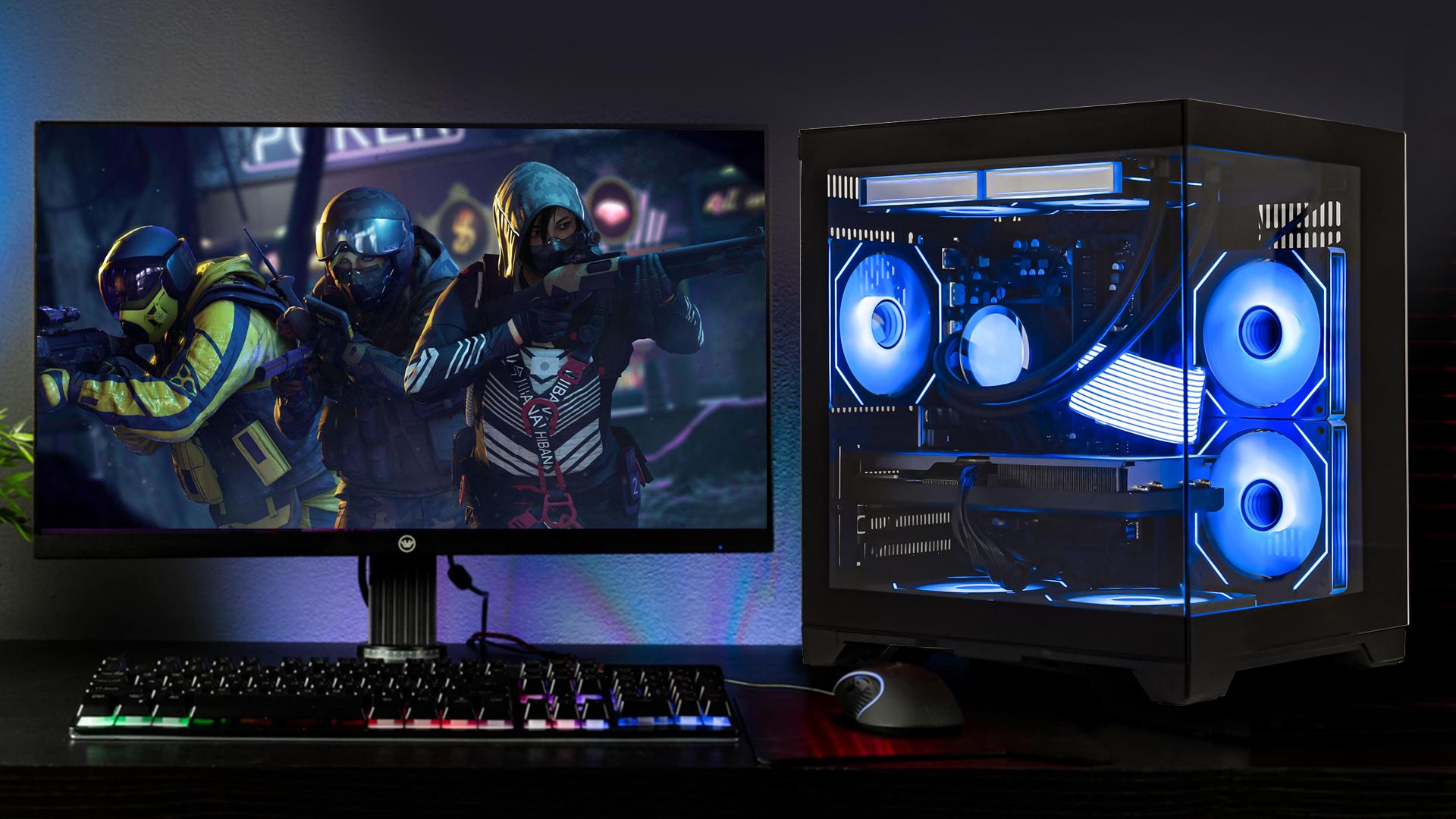
Beyond performance, customization and aesthetics remain crucial. Modular components, easy-access designs, and extensive RGB lighting customization are more popular than ever, allowing gamers to personalize their gaming desktop PC computer setups. Cloud gaming services are also influencing hardware, as some gamers opt for more modest local machines while leveraging cloud power for demanding titles. Furthermore, sustainability is an emerging focus, with manufacturers exploring more energy-efficient components and eco-friendly materials in their designs, catering to a more conscious consumer base.
How Do I Troubleshoot Common Gaming Desktop PC Computer Issues?
When your gaming desktop PC computer acts up, a systematic approach to troubleshooting can save you a lot of headaches. Start with the basics: check all cable connections, ensure power is supplied, and reboot your system. For performance issues like frame drops, update your graphics drivers, lower in-game settings, and monitor your CPU/GPU temperatures to rule out overheating. Overheating can severely impact performance and lead to crashes.
If a game crashes frequently, verify the game files through the launcher (Steam, Epic Games, etc.) or reinstall the game. For blue screens (often called BSODs), note the error code; this is often the fastest way to diagnose the problem, which could be anything from faulty RAM to a corrupted driver. Use Windows' built-in diagnostic tools, like Memory Diagnostic for RAM or Check Disk for storage. If all else fails, a fresh installation of Windows can resolve many software-related problems. Remember to back up important data before any major system changes to your gaming desktop PC computer.
Is Building a Gaming Desktop PC Computer Still Worth It in 2026?
Absolutely, building a gaming desktop PC computer in 2026 remains a highly rewarding and often more cost-effective option for many gamers. While pre-built systems offer convenience, building your own provides unparalleled control over component selection, ensuring you get exactly what you need without paying for unnecessary bloatware or features. This allows for better value for money, especially when aiming for specific performance targets or when upgrading individual parts over time.
The process of building also offers a deep understanding of your machine, making future troubleshooting and upgrades much simpler. Furthermore, the satisfaction of creating your own powerful gaming rig is immense. While the initial research might take some time, numerous online guides and communities make the process accessible even for beginners. For those who enjoy tinkering and maximizing their budget, a custom-built gaming desktop PC computer offers the best of both worlds: superior performance and personal satisfaction.
***
FAQ Section
What is the ideal amount of RAM for a gaming desktop PC computer in 2026?
For most modern games and multitasking, 16GB of DDR5 RAM is a solid baseline. However, if you run many background applications, stream, or play very memory-intensive titles, 32GB of DDR5 RAM is highly recommended for optimal performance and future-proofing your gaming desktop PC computer.
How often should I clean my gaming desktop PC computer?
Ideally, you should clean your gaming desktop PC computer every 3 to 6 months. Dust accumulation can significantly hinder cooling efficiency, leading to higher temperatures and reduced performance. Use compressed air and anti-static wipes for best results, ensuring all fans and heatsinks are clear.
Can I use a gaming desktop PC computer for professional work?
Yes, a powerful gaming desktop PC computer is often excellent for professional work requiring significant processing power, such as video editing, graphic design, 3D rendering, or programming. Its robust CPU, ample RAM, and dedicated GPU make it well-suited for demanding professional applications.
What monitors are best for competitive gaming on a PC?
For competitive gaming, prioritize monitors with a high refresh rate (144Hz or higher), low response time (1ms GTG), and adaptive sync technology (G-Sync or FreeSync). Panel type (IPS, VA, TN) can influence color accuracy and viewing angles, but refresh rate and response time are key for competitive play on your gaming desktop PC computer.
Is liquid cooling necessary for a high-end gaming desktop PC computer?
While not strictly necessary for all high-end gaming desktop PC computers, liquid cooling (AIO or custom loop) offers superior thermal performance, especially for overclocked CPUs or very hot components. High-quality air coolers are often sufficient, but liquid cooling can provide quieter operation and better aesthetics, particularly in smaller cases.
***
Navigating the world of gaming desktop PC computers does not have to be a daunting task. We have covered everything from optimizing your rig for peak performance to strategically upgrading on a budget, and even balancing your passion with life's demands. Remember, your gaming setup should be a source of joy and relaxation, offering seamless adventures and strong social connections. By staying informed about trends and applying smart strategies, your gaming desktop PC computer will continue to deliver exhilarating experiences for years to come.
What is your biggest gaming challenge with your PC setup right now? Comment below and let us help each other level up!
Optimized Gaming Desktop PC Performance Budget Friendly Upgrades Balancing Gaming Life Troubleshooting Common Issues Social Gaming Integration Latest PC Gaming Trends Component Selection Guides
35


Top 10 Best Desktop Computers 2026 For Home Office And Work Lenovo Legion Tower 7i 2026 High Performance Desktop Computer With RGB Lighting Featured In. What Was The Top PC Gaming Experience Best Gaming Desktops . The Best Gaming Desktops 2026 Top 10 Gaming Desktops Buy Now Guide . Gaming Desktop PC Guide 2026 Build The Ultimate Gaming Setup 2 2 3 . Best Of Gaming Desktop 2026 Prebuilt Gaming PC Core Ultra RTX 5000 2025 Best Desktop KV Refresh Mobile


Best Gaming Computers In 2026 9meters Hpaq Kbcyhk 1536x1059 . Best Gaming PC Builds For 2026 Best Gaming PC Builds For 2026.webp. The Top 4 Gaming Desktop Computers In May 2026 Gadgets Club Top 4 Gaming Desktop Computers . 12 Best All In One Desktop Computers In 2026 Tested Reviewed Best Gaming PC 2 1024x576 . 2026 Gaming Desktop PC Computer I5 I7 Ryzen 5 Cheap Budget Affordable Sg 11134207 8261t


ASUS Gaming PCs High Performance ROG TUF Desktops At AWD IT AWD 6 . The Ultimate Gaming PC Build 2026 Guide By Xidax 1 Unnamed . 2026 Shiroi White Themed Gaming Desktop PC Computer I5 I7 Ryzen 5 Sg 11134208 81zwr. Digital Storm Teases Its Next Gen Aventum X Desktop Gaming PC For CES 2026 109447 01 Digital Storm Teases Its Next Gen Aventum Desktop Gaming Pc For Ces 2026 . The Top Desktop PC Brands For 2026 According To Thousands Of Our 1.fit Lim.size


Desktop Computers 2024 . Best Desktop Computers For Home Use In 2026 Technobezz Technobezz 2026 03 11 T142543 296 09ffd22ab9 . The Best Gaming PCs Endless Premium Builds Canada Artboard 1@2x 2048x2048 . AI Creator Desktop PCs 2026 Computing . Geometric Future Highlights New PC Cases AIOs And PSUs At Computex
Why Desktop PC Prices Are Rising In 2026 And How To Still Get A Good Deal Best Gaming Desktop PC 2025 Main . The Best Gaming PCs In 2025 Tom S Guide . The Best Gaming PCs In 2024 Tom S Guide 1200 80 . The Best Gaming PCs In 2024 Tom S Guide . CES 2024 Rings The Death Knell For The Best Gaming Laptop Of The Past


The 5 Best Gaming PC Cases 2026 Which One Should You Buy YouTube . 8 Gaming PC Fixes For 2026 DML 8 Gaming PC Fixes For 2026 Blog 300x169 . KRYNORCXY I7 Gaming Pc Full Setup Desktop Complete Computer SL1500 . The Ultimate Guide To Building A PC In 2025 Computer Cave Desktop Gaming In 2026 Why Performance Issues Usually Mean Repair--Not Replacement. Lenovo S CES 2026 Concept Laptops A Rollable OLED Gaming Beast And A Lenovo CES 2026 Rollable Laptop Concepts 20260107 103129


Alienware Desktop Pc 2025 Infoupdate Org Alienware Area 51 Desktop Ces 2025 Launch . Best Gaming Computers Of 2025 For Ultimate Performance And Immersive Gaming Computers . The Best Gaming PCs For 2025 PCMag 17.fit Lim.size . What Is The Best Gaming Desktop In 2026 P Gaming PC Guru 71sxBl TLaL . MSI Announces Beautiful Toy Story 30th Anniversary PC Plastered In